Free trainings for educators, caregivers, first responders and behavioral health professionals. Learn to recognize early signs of psychosis and support someone through it.
The WorkWell Toolkit is a step-by-step guide to promote workplace wellbeing. Follow the six steps and mental health pathway to implement holistic wellbeing. Earn a Missouri Workplace Wellness Award by investing in a healthy work culture now!
An overview of the Disaster Distress Helpline (DDH), a free multilingual crisis hotline available 24/7 year-round. Learn who it's for and how it works.
Understand how early trauma shapes long-term health and what Missouri's public health approach can do to build resilience in individuals and communities.
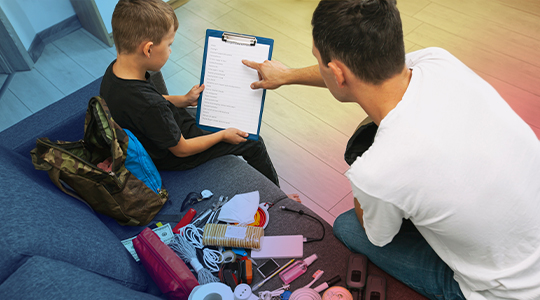
Disaster Preparedness: Individual, Provider, and Video Guides
Disasters and emergencies can happen quickly and without warning, leaving you little time to respond. That is why being prepared before the disaster occurs can help you respond quickly and appropriately – and maybe even save a life.
MARCCD (Model for Adaptive Response to Complex Cyclical Disasters) helps communities anticipate, adapt and grow through disasters. Through a short animated series, learn coping strategies, resilience-building skills and how community support carries people through stress, trauma and recovery.
This podcast was made possible by the Substance Abuse and Mental Health Services Administration, Disaster Response State Grant. The views and opinions contained in the publication do not necessarily reflect those of SAMHSA or the U.S. Department of Health and Human Services and should not be construed as such.
This guide is designed for direct service providers, case managers, and others who serve individuals with intellectual and/or developmental disabilities (I/DD). It is designed to help providers plan and be prepared to ensure the needs of those served are met in the event of a disaster.
This guide is designed for individuals with intellectual and/or developmental disabilities (I/DD) and their families. It is designed to help individuals or families plan and be prepared in the event of a disaster.
As helping professionals become increasingly aware of the profound impact of trauma, they are recognizing the immense value of adopting trauma-informed approaches to healthcare. This course has been meticulously crafted to offer a comprehensive overview of trauma-informed care practices.
Trauma has the transformative potential to significantly affect both individuals and the communities they belong to, bringing forth a complex interplay of experiences and outcomes. Explore the prevalent post-disaster stress reactions for deeper understanding.
After a disaster, individuals and communities can move through distinct phases of recovery As time progresses, they gradually adjust and adapt to their new circumstances, eventually moving towards long-term recovery and personal growth, often emerging with a newfound sense of resilience and strength.
988 is a three-digit number providing 24/7 statewide crisis support via call, text, or chat. Trained specialists assist with suicidal thoughts, substance use, mental health crises, and emotional distress.
Tune in to our SAMHSA-sponsored visual radio series, showcasing inspiring heroes dedicated to improving mental health. Join us in celebrating their remarkable contributions.
Videos, podcasts and digital resources made for older teens and young adults. Build a positive mindset with science-backed tips for handling stress and everyday life.
This course gives teens a basic understanding of how trauma can take on many forms and how protective factors can help you bounce back from hard times. Through brief educational lessons and quizzes, it shares ideas about how to get help when you need it. Appropriate for ages 13+.
This course provides a comprehensive overview of trauma informed care for adults. Through concise lessons and interactive quizzes, it fosters trauma awareness and resilience, enabling personal growth as caregivers, mentors, friends, and community members.